Behind the Magic of Invisible VFX: An In-Depth Look at Tiffany Smith Llorens and the Evolution of Visual Effects in Modern Television

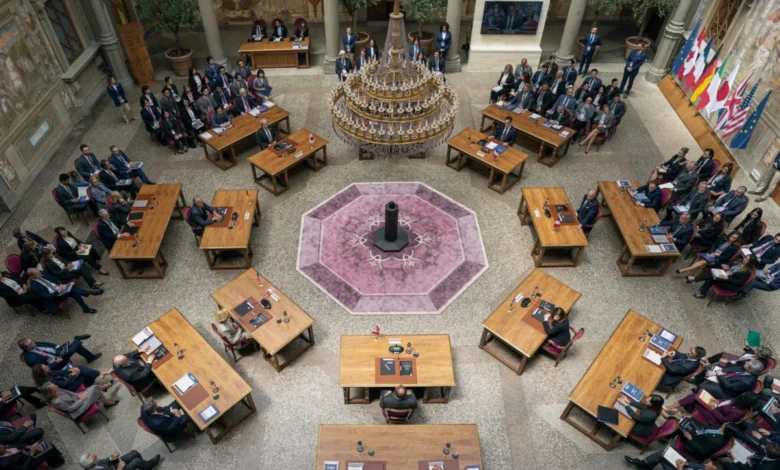
The modern landscape of film and television relies heavily on visual effects (VFX), transforming how stories are conceptualized, shot, and finalized. While audiences often associate VFX with massive, computer-generated spectacles like floating fantasy continents or fantastical creatures, a significant portion of the industry’s artistry is dedicated to invisible visual effects. These are the subtle, seamless enhancements that ground a narrative in reality without ever drawing attention to themselves. Few professionals understand this delicate balance better than Tiffany Smith Llorens, Senior Executive Producer at Framestore and former VFX Director at Netflix. Throughout a career spanning nearly three decades, Llorens has witnessed the meteoric evolution of digital artistry, contributing to blockbuster cinematic achievements and critically acclaimed streaming series alike.
From Independent Beginnings to Hollywood Blockbusters
Llorens’s journey into the world of visual effects began long before computer graphics dominated the cinematic landscape. Growing up in Los Angeles, she balanced her early academic pursuits at California State University, Northridge—where she initially studied economics and Black history—with hands-on work as a production assistant across independent film sets and music video productions.
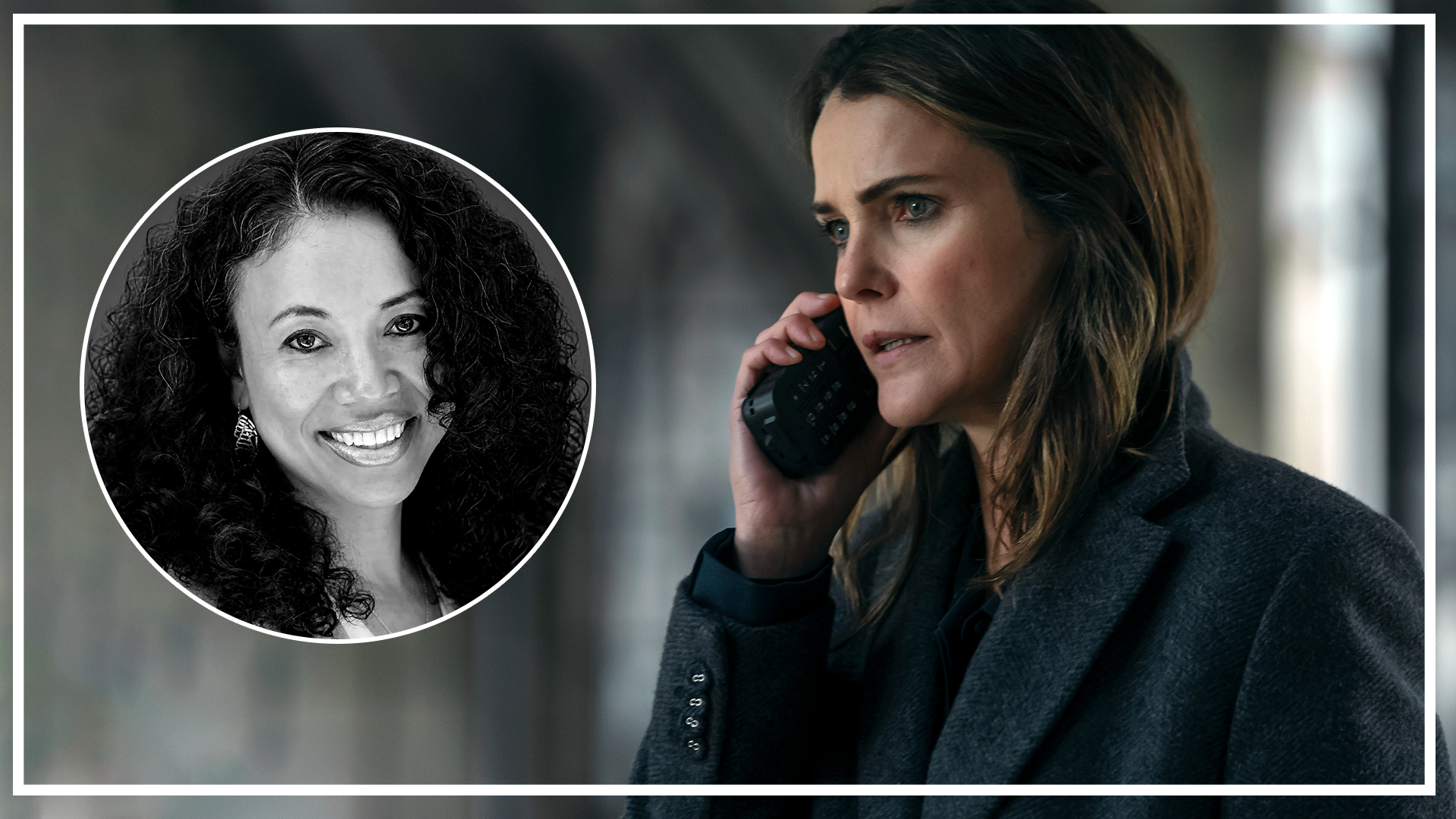
The trajectory of her career shifted dramatically on April 1, 1996, when she secured a position at Cinesite Hollywood, an iconic facility at the forefront of digital film restoration and optical effects during the nascent days of CGI. Walking through the doors of Cinesite proved to be a foundational milestone; her early assignments coincided with a golden era of technological transition in Hollywood. Her initial credits included major studio releases such as Space Jam (1996), Waterworld (1995), and James Cameron’s historic epic Titanic (1997).
Working on these monumental projects during a time when digital workflows were still in their infancy provided Llorens with a rare, grassroots understanding of filmmaking infrastructure. She recalls a pivotal moment during her college years when she presented a classroom speech utilizing a physical projector to demonstrate how a blue screen composite of Harrison Ford jumping from an aircraft in Air Force One (1997) was assembled frame by frame. The overwhelming reaction from her peers solidified her commitment to an industry she had initially approached merely as a side endeavor to fund her education.
The Art of Invisible VFX in The Diplomat
While Llorens has overseen grand, high-budget spectacle projects like Wednesday, Ripley, Vikings: Valhalla, and One Piece, her recent work on political thrillers such as Netflix’s The Diplomat highlights the entirely different skillset required for invisible visual effects. Unlike fantasy or science fiction properties where the digital elements dictate the environment, invisible VFX serves as a supportive safety net designed to preserve the integrity of the storytelling while operating strictly under the radar.
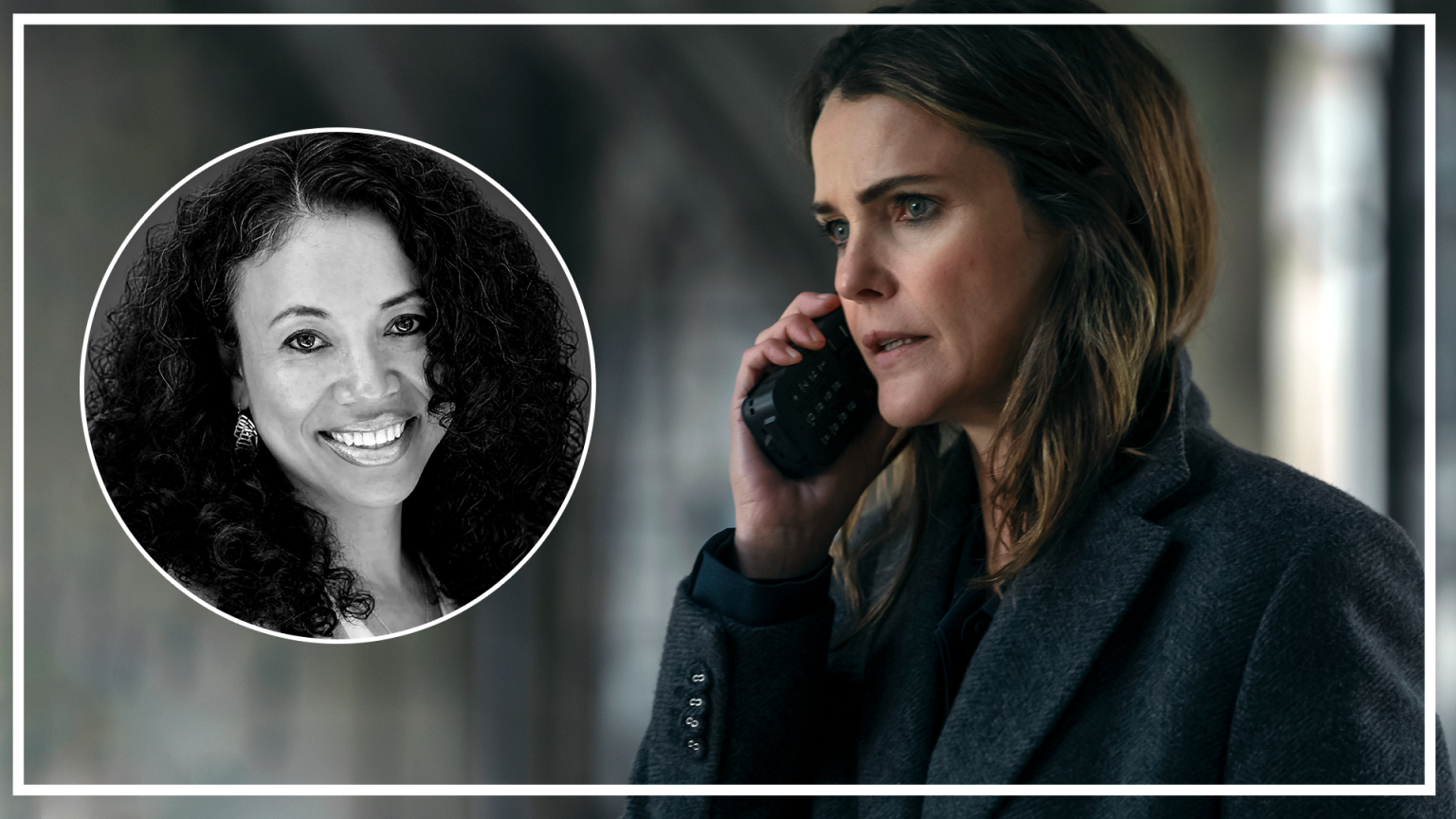
On a production like The Diplomat, the primary challenge frequently centers on budget optimization, logistical constraints, and continuity management rather than rendering explosive set pieces. For instance, external industry disruptions, such as the 2023 Hollywood guild strikes, imposed strict scheduling limitations on the production of the show’s second season. Consequently, the natural foliage and seasonal characteristics of shooting locations shifted out of alignment with the narrative timeline.
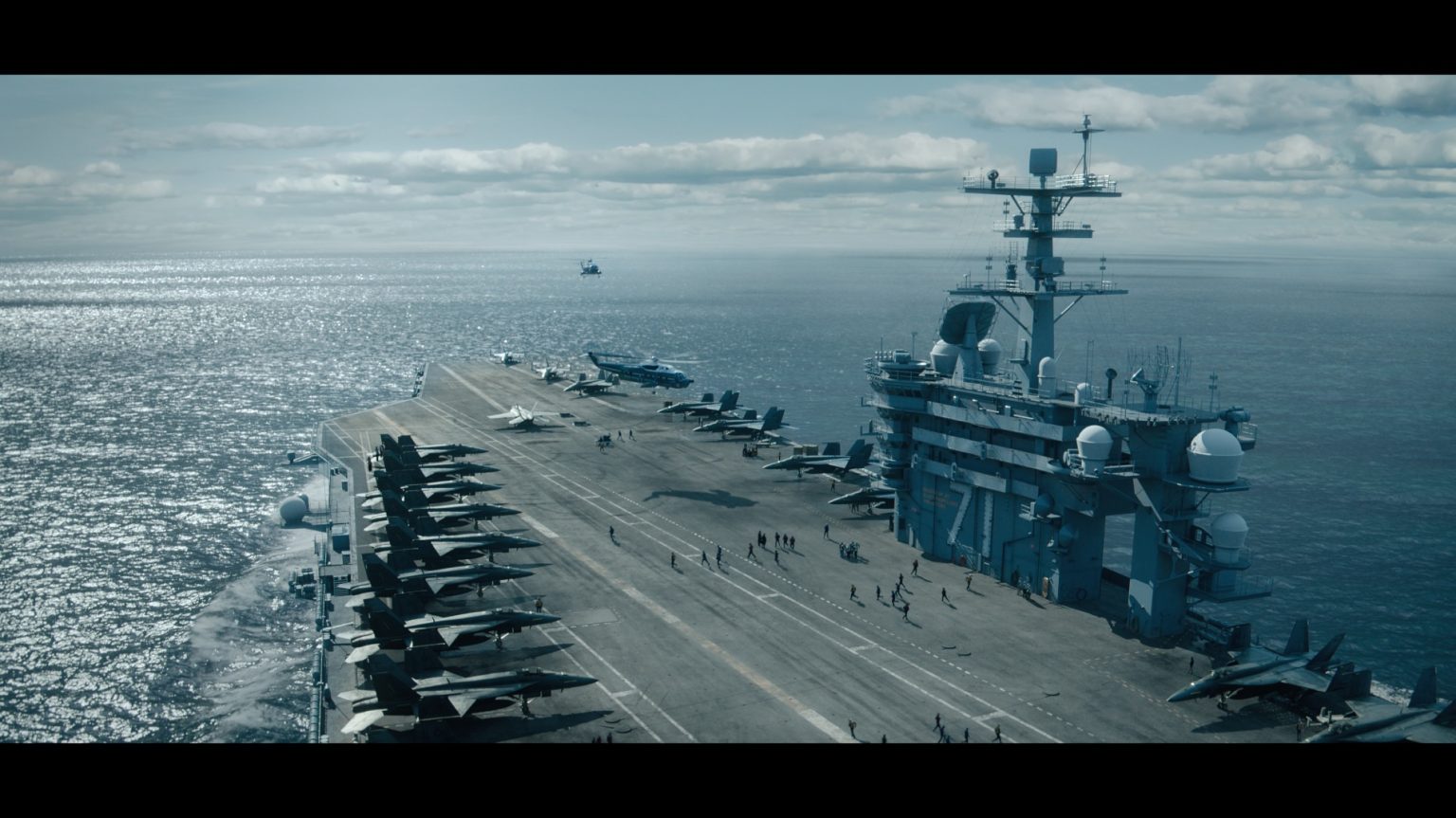
Framestore’s VFX teams were tasked with digitally manipulating environmental elements—such as altering the appearance of trees and landscapes—to maintain seamless visual continuity across scenes. Furthermore, digital set extensions allowed production crews to shoot in accessible domestic hubs like New York while accurately replicating international locales such as London, thereby mitigating the exorbitant costs associated with constant overseas travel and location permits.
The Evolution of VFX Technology and Workflow Efficiency
The visual effects industry of the mid-1990s bears little resemblance to the hyper-advanced digital pipelines utilized by studios today. In the early days of her career, Llorens recalls the immense technical hurdles associated with rendering fluid dynamics, such as the turbulent ocean spray required for large-scale maritime projects like The Perfect Storm (2000). Similarly, digital hair rendering was primitive, often resulting in static, helmet-like textures for characters in motion.
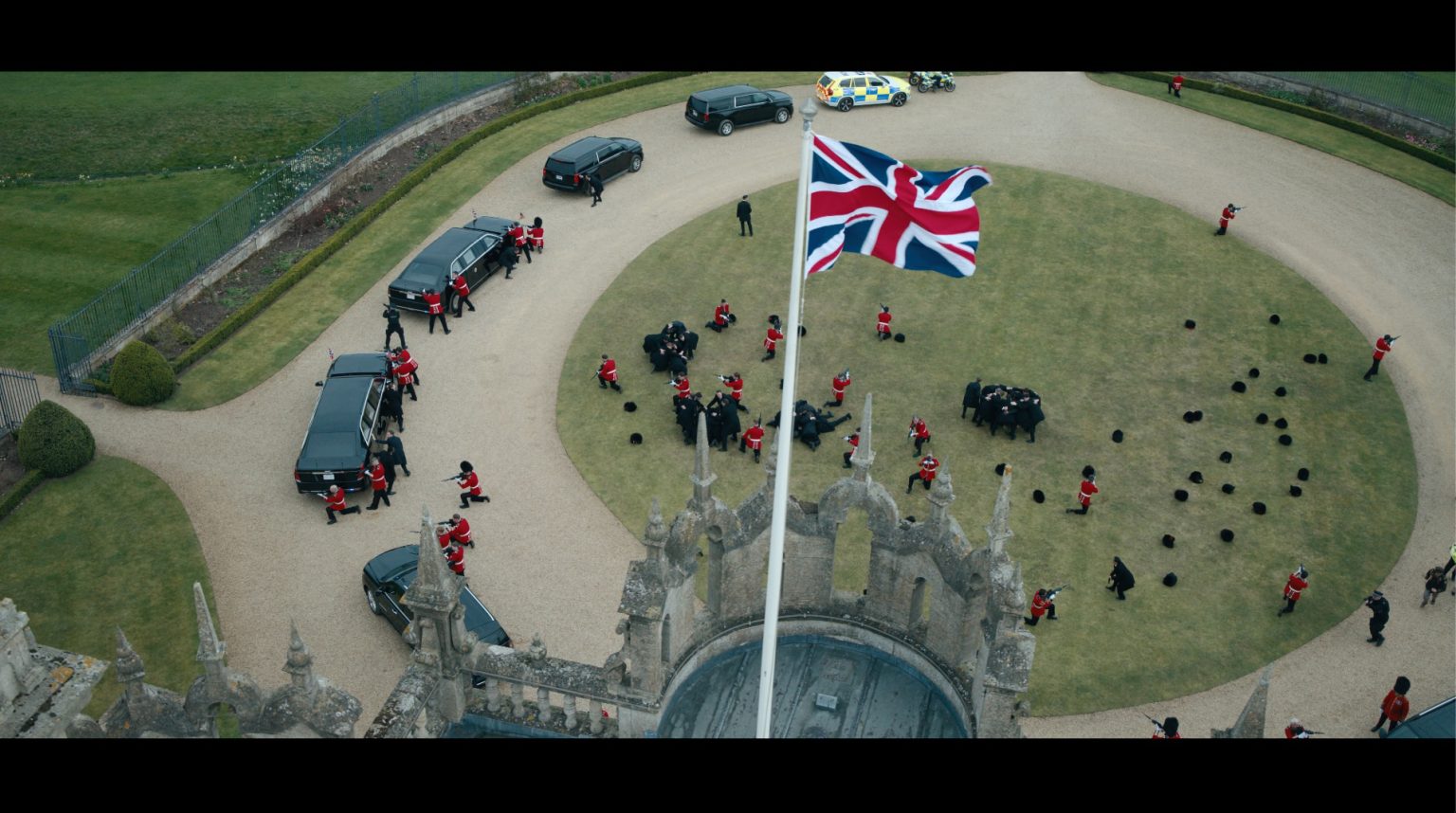
Over the past thirty years, advancements in machine learning, computational power, and specialized software have revolutionized every tier of the VFX pipeline. Roto-scoping—once a painstaking physical process involving the projection of celluloid film onto glass panels for manual tracing—is now executed entirely within digital environments, accelerated by automated and semi-automated tools.
Despite these technological leaps, Llorens maintains a pragmatic philosophy regarding the implementation of digital versus practical filmmaking. While modern tools grant filmmakers the capacity to generate virtually any environment or atmospheric effect digitally—such as substituting unpredictable natural sunsets with entirely synthetic lighting—she stresses the enduring value of capturing elements in-camera whenever feasible.
"Real life is always better," Llorens notes, pointing to the tangible emotional resonance that actors derive from performing in physical environments rather than against a sterile green screen. However, when logistical hurdles, inclement weather, or financial constraints threaten production schedules, visual effects stepping in as an efficient problem-solving mechanism remains indispensable.
The Collaborative Philosophy of Modern VFX Production
Beyond technical execution, Llorens emphasizes that the backbone of successful visual effects production is human collaboration and trust. Throughout her career—spanning from early horror-comedy crossovers like Freddy vs. Jason (2003) to high-end television serials—the most enduring successes have stemmed from close-knit partnerships between producers, directors, and digital artists.
In an environment where unforeseen complications—ranging from sandstorms damaging camera equipment to abrupt budget depletion—frequently threaten production timelines, the role of a VFX executive extends far beyond managing software. It requires creative adaptability, resourcefulness, and the ability to offer viable alternatives that protect the director’s creative vision.
As the entertainment industry continues to embrace emerging digital methodologies, professionals like Tiffany Smith Llorens represent a bridge between the foundational era of analog filmmaking and the boundless possibilities of modern computer-generated storytelling. By prioritizing narrative stewardship, operational efficiency, and collaborative problem-solving, the invisible artistry of VFX continues to elevate contemporary television and cinema without ever stealing the spotlight.